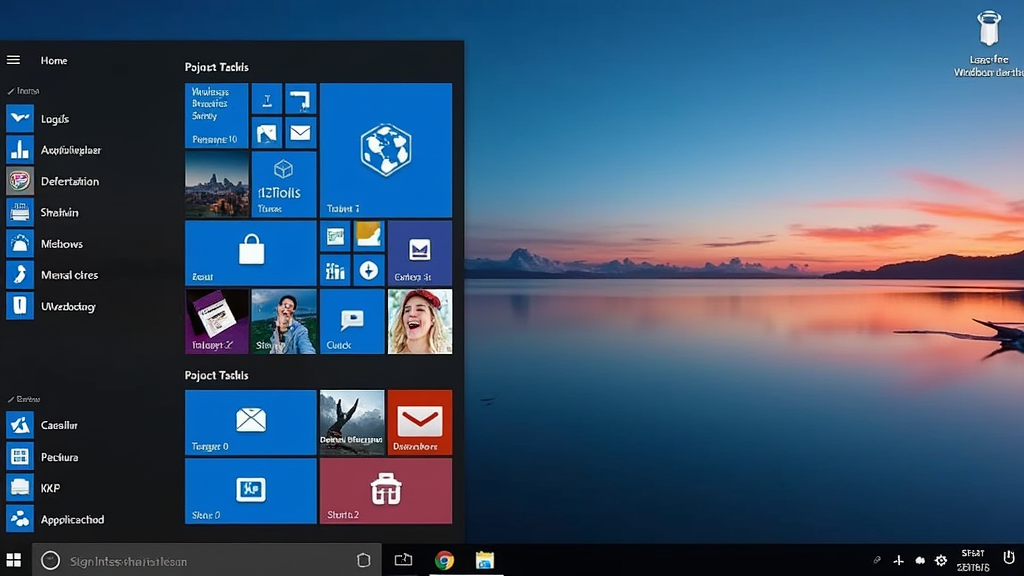
The introduction of the Vertical Windows 11 Taskbar marks a significant enhancement in taskbar customization for users craving flexibility in their computing experience. Unlike its predecessor, Windows 11 initially limited users to a horizontal layout, but thanks to the latest Start11 update, they can now reposition the taskbar to the left or right side of the screen. This much-anticipated feature not only caters to aesthetic preferences but also optimizes screen real estate, a crucial aspect for those utilizing multi-monitor setups. With Stardock tools like Start11 allowing for such customization, users can enjoy an interface tailored to their workflow. Embracing this new functionality reflects Windows 11’s evolving features, ultimately enriching the user experience and restoring a familiar aspect from earlier Windows versions.
The recent rollout of the Vertical Windows 11 Taskbar introduces a refreshing twist to the standard taskbar experience, catering to users who yearn for more control over their interface. This advancement in taskbar customization enables individuals to place their taskbar vertically, offering a dynamic alternative to the conventional layout. With the Start11 update from Stardock, this feature not only enhances usability but also aligns seamlessly with the needs of users working across multiple monitors. By leveraging Stardock tools, users can now tailor their desktop environment to maximize productivity and personal preference. This development underscores the importance of adaptability in modern operating systems, as users seek to optimize their workflows through innovative features.
Introducing Vertical Taskbar Customization in Windows 11
The release of Start11’s latest version has been a game changer for Windows 11 users seeking more customization options for their taskbar. Traditionally, Windows 11 has restricted users to a horizontal taskbar, which limited their ability to optimize screen space effectively. With the introduction of the vertical Windows 11 taskbar feature, users can now position their taskbar on either side of the screen. This flexibility not only enhances aesthetic appeal but also improves productivity, allowing users to access frequently used applications and system notifications more efficiently.
Vertical taskbars have long been a favorite among users who prefer a more streamlined interface. By adopting a vertical layout, users can maximize their screen real estate, especially on widescreen monitors. The Start11 update caters to this need, making it easier for users to adapt their workspace to their preferences. Whether you’re a gamer, professional, or casual user, this feature allows for a more personalized computing experience.
Enhancing Multi-Monitor Setups with Start11
Multi-monitor setups have become increasingly popular, especially among professionals who require more screen space to manage multiple applications simultaneously. With the Start11 2.5 update, Stardock has addressed the needs of these users by allowing a centered taskbar layout for systems with more than two monitors. This new configuration supports a more cohesive workspace, where the Start icon is conveniently located on the left side, ensuring that users can access it no matter how many screens they are using.
This enhancement is crucial for users who rely on multiple displays for productivity and multitasking. By enabling a centered taskbar, Start11 provides a consistent and organized interface that can significantly improve workflow efficiency. Additionally, the integration with Stardock’s Multiplicity 4 further enhances the experience, allowing seamless control across devices. This synergy between tools highlights Stardock’s commitment to optimizing user experience in multi-monitor environments.
Incorporating features such as taskbar customization and improved layouts for multi-monitor setups, Start11 proves to be an essential tool for anyone looking to enhance their Windows 11 experience. The ability to modify the taskbar not only addresses aesthetic preferences but also boosts productivity, aligning with contemporary work habits and technological advancements.
Exploring Windows 11 Features Through Taskbar Customization
The taskbar in Windows 11 has been a subject of much discussion since its release, primarily due to its rigid design. However, with tools like Start11, users can explore a wide range of customization options that bring a new level of functionality to their desktop experience. The ability to switch to a vertical taskbar is just one of the many features that enhance Windows 11, allowing users to tailor their systems to better fit their personal and professional needs.
Taskbar customization not only improves visual appeal but also significantly impacts usability. Users can rearrange icons, modify taskbar settings, and now even choose between vertical and horizontal orientations. This adaptability is essential for those who utilize their computers for various tasks, whether it be gaming, graphic design, or business management. Start11 makes it easy to experiment with these features, empowering users to create an environment that works best for them.
The Importance of Stardock Tools in Windows 11
Stardock has established itself as a leader in software development focused on enhancing the Windows user experience. Tools like Start11 provide essential features that fill the gaps left by Microsoft in its latest operating systems. The recent updates not only improve aesthetics but also functionality, ensuring that users can enjoy a more personalized and efficient interface.
By integrating tools such as Start11 with other Stardock offerings, users can leverage a suite of applications designed to enhance their overall computing experience. For instance, the recent release of Multiplicity 4 complements the taskbar customization by allowing users to control multiple devices seamlessly. This interconnectedness reflects Stardock’s commitment to providing innovative solutions that cater to the evolving needs of modern users.
Customizing Windows 11: A Game Changer for Users
With the advent of the Start11 update, Windows 11 users now have a powerful tool at their disposal for customizing their taskbar. The ability to transition from a horizontal to a vertical taskbar represents a significant shift in how users can interact with their desktop environment. This change not only brings a fresh look to the Windows interface but also allows users to organize their applications more effectively.
Customization is a vital aspect of modern computing, as it enables users to create an environment that enhances productivity and comfort. The introduction of vertical taskbars, along with other features in the Start11 update, reflects the growing demand for flexibility in user interfaces. By empowering users to tailor their Windows experience, Stardock is paving the way for a more user-centric approach to desktop design.
Understanding the Start11 Update and Its Benefits
The Start11 update has garnered attention for its innovative approach to Windows 11 taskbar customization. By allowing users to position their taskbar vertically, Stardock has addressed a long-standing demand from the Windows community. This feature not only enhances the aesthetic appeal of the desktop but also significantly improves accessibility, making it easier for users to reach their tools and applications.
Moreover, the Start11 update includes various enhancements for multi-monitor setups, allowing users to enjoy a more cohesive experience across multiple displays. The centered taskbar layout provides a consistent interface, which is crucial for professionals who juggle various tasks and applications. The update is a testament to Stardock’s commitment to improving user experience while accommodating the diverse needs of modern computing.
Maximizing Screen Real Estate with Vertical Windows 11 Taskbar
In today’s digital age, screen real estate is a valuable commodity, and the vertical Windows 11 taskbar introduced by Start11 is a perfect solution for maximizing it. By transitioning the taskbar to a vertical orientation, users can free up horizontal space, which is particularly beneficial for widescreen monitors. This feature allows users to organize their applications more efficiently, providing quick access to frequently used tools without cluttering the screen.
The vertical taskbar is not just about aesthetics; it fundamentally changes how users interact with their desktop. With more room to maneuver, users can focus on their work without the distraction of an overwhelming taskbar. This modification is especially advantageous for those working with graphic design or data analysis, where every pixel counts. The Start11 update is not just an enhancement; it’s a pivotal change that caters to the needs of today’s users.
Stardock’s Impact on Windows 11 Experience
Stardock has had a profound impact on the Windows 11 experience through its innovative tools and updates. The recent introduction of vertical taskbars via Start11 showcases Stardock’s ability to listen to user feedback and implement changes that truly enhance the user experience. By addressing the limitations of the standard Windows 11 taskbar, Stardock has empowered users to take control of their desktop environments.
This impact extends beyond simple aesthetics; it enhances productivity and usability for a diverse range of users. Stardock’s commitment to providing tools that cater to specific user needs demonstrates its role as a vital player in the Windows ecosystem. By continually updating and improving its software offerings, Stardock ensures that users are not just stuck with the default configurations of Windows 11, but can actively customize their experiences to suit their preferences.
Exploring Stardock’s Suite of Tools for Windows Customization
Stardock’s suite of tools offers a comprehensive approach to customizing Windows environments, addressing various user needs and preferences. Start11 is just one of these tools, but it stands out due to its focus on taskbar customization, including the highly sought-after vertical taskbar feature. This tool exemplifies how Stardock is revolutionizing the Windows experience, allowing users to tailor their interfaces to maximize productivity and enjoyment.
Beyond Start11, Stardock provides additional applications such as Fences and WindowBlinds, which further enhance customization capabilities. These tools allow users to organize their desktops effectively and modify the appearance of their windows, creating a cohesive and personalized computing environment. By integrating these tools, Stardock empowers users to take full advantage of their Windows systems, ensuring a satisfying and efficient user experience.
Frequently Asked Questions
What is the Vertical Windows 11 Taskbar feature introduced in Start11?
The Vertical Windows 11 Taskbar feature, introduced in the Start11 2.5 update, allows users to position their taskbar vertically on the left or right side of the screen. This feature enhances taskbar customization, a highly requested capability that was missing in the original Windows 11 design.
How do I enable the Vertical Windows 11 Taskbar in Start11?
To enable the Vertical Windows 11 Taskbar in Start11, open the Start11 settings and look for the taskbar positioning options. You can select to place the taskbar on either the left or right side of your screen, providing greater flexibility and screen real estate optimization.
What improvements does Start11 2.5 bring for multi-monitor setups?
The Start11 2.5 update enhances multi-monitor setups by allowing users with more than two monitors to have a centered taskbar with the Start icon positioned on the left. This improvement makes it easier to navigate across multiple screens, enhancing usability for users with extensive display configurations.
Are there any other features included in the Start11 2.5 update besides the Vertical Windows 11 Taskbar?
Yes, besides the Vertical Windows 11 Taskbar feature, the Start11 2.5 update includes various bug fixes and improvements for multi-monitor setups, ensuring a better overall user experience for those utilizing Stardock tools.
Why is the Vertical Windows 11 Taskbar important for users?
The Vertical Windows 11 Taskbar is important for users because it offers a more flexible interface, allowing for better organization and accessibility of applications. Many users have expressed a preference for vertical taskbars due to the additional screen space it provides, especially in multi-monitor setups.
Can I download Start11 to access the Vertical Windows 11 Taskbar?
Yes, you can download Start11 from Stardock’s official website to access the Vertical Windows 11 Taskbar feature and take advantage of its customization options. The latest version includes enhancements that cater to both single and multi-monitor setups.
| Feature | Description |
|---|---|
| Vertical Taskbar | Start11 now allows users to position the taskbar vertically on the left or right side of the screen. |
| Update Version | The latest version is Start11 2.5, which includes this vertical taskbar feature. |
| Multi-Monitor Support | Users can now have a centered taskbar across multiple monitors with the Start icon positioned on the left. |
| Usability Enhancements | The update improves usability for users with extensive display setups. |
| Bug Fixes | Various bug fixes were included in the update. |
Summary
The Vertical Windows 11 Taskbar feature from Start11 is a significant enhancement for users looking for flexibility in their taskbar design. With the introduction of the vertical taskbar, users can now customize their desktop layout to better suit their preferences and optimize their screen real estate. The update not only addresses the long-standing demand for a vertical taskbar but also improves overall usability, especially for those with multi-monitor setups. As users continue to seek more personalized computing experiences, the Vertical Windows 11 Taskbar serves as a valuable tool in achieving that goal.